How to Choose the Right Roof Type for Your Home
Whether you’re building, renovating or replacing a worn-out roof, the roof you choose affects how your home looks, how well it handles the weather, how much maintenance it needs and what it’s worth when you sell. With so many shapes and materials available, it helps to narrow things down in the right order: start with your needs, then the roof style, then the material.
This guide walks through each step, with a quick comparison of the most common roofing materials and what to consider in the climate of eastern Pennsylvania and western New Jersey.
Key takeaways
- Start with climate, budget, maintenance and the look you want, then narrow down style and material.
- Architectural asphalt shingles offer the best balance of cost, appearance and durability for most homes in our area.
- Metal, slate and tile last longer but cost more, and slate and tile may need extra structural support.
- The best roof material only performs as well as its installation, underlayment, ice and water protection and ventilation.
Start with your needs
Before comparing roof types, think about what matters most for your home:
- Climate: Our winters bring snow, ice and repeated freeze-thaw cycles, and summers bring heat, humidity and thunderstorms with high winds. Your roof needs to shed snow and water, resist wind and handle temperature swings.
- Aesthetics: The roof can make up a large part of what you see from the street. Think about whether you want a traditional, modern or historic look, and what fits your neighborhood.
- Budget: Consider both the upfront cost and the cost over the roof’s life. A longer-lasting material can cost less per year even if it costs more today.
- Maintenance: Some materials need very little attention, while others need regular care. Be realistic about how much upkeep you want.
- Your plans: If you’re selling in a few years, you’ll likely want a cost-effective roof that appeals to buyers. If this is your forever home, a premium material may be worth it.
Common roof styles
The shape of your roof is usually set by the design of the house, but it matters when you’re building, adding on or choosing materials, because some materials suit some shapes better than others.
- Gable roofs: The classic triangle shape. They shed rain and snow easily, leave room for attic space or vaulted ceilings, and are simple and cost-effective to build. Their end walls can catch strong winds, so good bracing matters.
- Hip roofs: Slope down on all four sides to a ridge. They’re more stable in high winds than gable roofs and provide eaves all the way around, which helps protect the siding.
- Mansard roofs: A French-inspired design with two slopes on each side, the lower one steep. They create extra living space on the top floor and are common in historic neighborhoods.
- Flat and low-slope roofs: Nearly flat with a slight pitch for drainage. Common on commercial buildings, additions, porches and modern homes. They need membrane roofing rather than shingles.
- Shed roofs: A single slope, giving a lean-to look. Popular on additions and modern designs.
- Butterfly roofs: Two slopes that angle down to meet in the middle. A striking modern look that needs careful detailing to manage the water that collects in the center.
- Dome roofs: Rare on homes, but distinctive on gazebos, towers and specialty structures.
Roofing materials compared
The material you choose affects durability, appearance, weight, maintenance and cost. Lifespans below are typical ranges and depend heavily on installation quality, ventilation and maintenance.
| Material | Typical lifespan | Pros | Things to consider |
|---|---|---|---|
| Architectural asphalt shingles | 20–30 years | Affordable, wide range of colors, good wind ratings, easy to repair | Shorter life than premium materials; can show algae streaks in shade |
| Metal (standing seam or shingles) | 40–70 years | Very durable, light, sheds snow, fire resistant | Higher upfront cost; can be noisier in rain without proper underlayment |
| Slate | 75–100+ years | Exceptionally long-lasting, classic look, fireproof | Very heavy and expensive; needs a specialist for installation and repairs |
| Clay or concrete tile | 50+ years | Durable, distinctive look | Heavy; less common in freeze-thaw climates; may need structural reinforcement |
| Wood shingles and shakes | 25–40 years | Natural, rustic appearance | Needs regular maintenance; vulnerable to moss, rot and fire unless treated |
| Synthetic slate or shake | 30–50 years | Look of slate or wood at lower weight | Quality varies by manufacturer; cost between asphalt and natural slate |
Asphalt shingles
Asphalt shingles cover the majority of homes in the United States for good reason. They’re affordable, quick to install and available in dozens of colors. Today’s architectural (dimensional) shingles are thicker than the old flat three-tab style, with better wind resistance and a richer, layered look. For most homes in eastern Pennsylvania and New Jersey, they offer the best balance of cost and performance.
Metal roofing
Metal roofs last decades, shed snow well and resist fire. Standing-seam panels give a clean, modern look, while metal shingles can mimic slate or shake. Expect a higher upfront cost in exchange for a long service life and very little maintenance.
Slate and tile
Natural slate is one of the longest-lasting roofing materials available and has a timeless look, which is why it’s common on older homes in historic neighborhoods. Slate and tile are both heavy, so a structural evaluation is needed before installing them on a home that wasn’t built for them.
Wood and synthetic options
Cedar shakes give a warm, natural look but need regular maintenance and do best where they get plenty of sun and airflow. Synthetic slate and shake products offer a similar appearance with less weight and upkeep.
Flat and low-slope roofing
Flat and low-slope roofs need membrane systems such as EPDM, TPO or modified bitumen instead of shingles. These are common on commercial buildings, additions and porches, and need careful detailing at edges and drains.
Other things to think about
- Color and energy use: Lighter-colored roofs reflect more heat, which can help in summer. In our climate, attic insulation and ventilation have a bigger effect on comfort and energy bills than shingle color.
- Weight: Slate, tile and concrete may require additional framing. Your roofer should check before recommending a heavier material.
- Historic districts and HOAs: Some neighborhoods and homeowners associations have rules about roofing materials and colors. Check before you choose.
- Algae resistance: Many shingles now include algae-resistant granules, which help prevent the dark streaks common on shaded roofs.
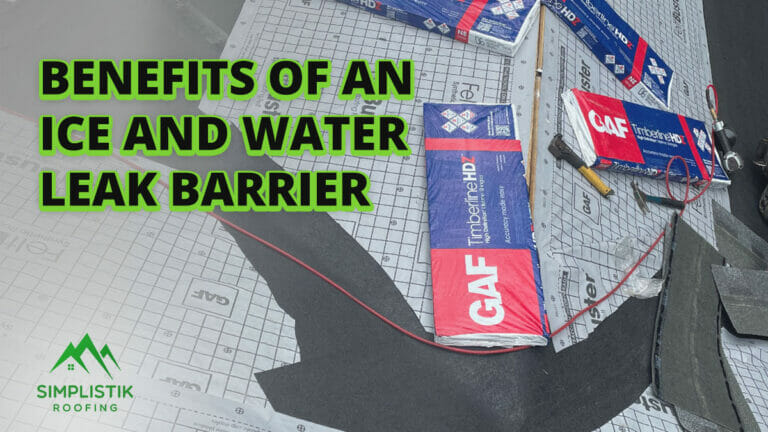
- The whole system: Underlayment, an ice and water leak barrier, flashing and ventilation matter just as much as the material you see from the street.
- Warranty: Compare the manufacturer’s product warranty and the contractor’s workmanship warranty, and ask whether they transfer to a new owner.
Ask the experts
If you’re unsure which roof suits your home, a professional roofer can look at your roof’s pitch and structure, your attic, your home’s style and your budget, and walk you through realistic options. Bring samples outside and look at them against your siding and trim in daylight, and ask to see nearby homes with the colors you’re considering.
If you’re replacing an existing roof, our guide on how to know when to replace a roof can help you decide on timing, and 10 questions to ask before hiring a roofer will help you compare contractors.
Frequently asked questions
What is the most popular roofing material in Pennsylvania?
Architectural asphalt shingles are by far the most common choice for homes in our area, thanks to their balance of price, appearance and durability.
Is a metal roof worth it?
It can be, especially if you plan to stay in your home for a long time. Metal costs more upfront but can last two to three times as long as asphalt shingles with very little maintenance.
Can I put a heavier roof on my house?
Possibly, but slate, tile and concrete may require structural reinforcement. Have a roofer or engineer evaluate the framing before choosing a heavier material.
Does roof color make a difference?
Lighter colors reflect more summer heat, while darker colors can help snow melt sooner. Color also has a big impact on curb appeal, so choose one that complements your siding, trim and brick.
Choosing with confidence
The right roof protects your home for decades and shapes how it looks every day. Start with your needs, compare styles and materials honestly, and work with an experienced roofer who will install the complete system correctly. Simplistik Roofing offers free inspections and estimates for residential and commercial roofing across the Lehigh Valley, the Poconos and western New Jersey.
Free inspection & estimate
Get a straight answer about your roof
Tell us a little about your home and a Simplistik Roofing specialist will set up a time to inspect your roof and walk you through your options, at no cost and with no pressure.
- Free inspections & estimates
- Lifetime warranty on all products
- 0% interest financing available
- Customer satisfaction guaranteed
Request an Estimate
Takes less than a minute