The Ultimate Guide to Roof Maintenance
Your roof is one of the biggest investments in your home, and one of the easiest to forget about until something goes wrong. A little routine care goes a long way: it keeps small problems small, protects everything underneath, and helps an asphalt shingle roof reach the end of its expected life instead of failing early.
This guide covers what to check, when to check it, what you can safely do yourself, and when it’s time to call a professional. It’s written for homeowners in eastern Pennsylvania and western New Jersey, where freeze-thaw cycles, summer storms and plenty of trees all take a toll on roofs.
Key takeaways
- Look your roof over at least twice a year (spring and fall) and after every major storm.
- Clean gutters in late fall and spring so water can drain away from the roof edge and foundation.
- Most problems start small: a lifted shingle, cracked flashing or a clogged valley. Fixing them early is far cheaper than repairing water damage.
- Do your checks from the ground or a ladder at the eaves. Leave walking the roof to professionals.
Why routine roof maintenance pays off
Most roofs don’t fail all at once. They fail one small opening at a time. A shingle tab lifts in a windstorm, a bead of sealant around a vent dries out, or leaves pile up in a valley and hold moisture against the shingles. Each of these lets in a little water, and water is what rots decking, stains ceilings and feeds mold.
Regular maintenance is how you catch those openings while they’re still a quick repair. It also keeps your manufacturer’s warranty on solid footing, since warranties generally don’t cover damage caused by neglect. And when it’s eventually time to sell, a well-kept roof with records of inspections and repairs is a selling point instead of a negotiating chip for the buyer.
Inspect your roof twice a year and after storms
How often: at least twice a year, ideally in spring (to see what winter did) and in fall (to get ready for the next one), plus after any storm with high winds or hail.
You can learn a lot without ever climbing onto the roof. Walk around the house with a pair of binoculars, and use a ladder at the eaves if you’re comfortable doing so. Look for:
- Missing, cracked, curled or lifted shingles.
- Dark streaks, moss or algae growth, especially on north-facing slopes and under trees.
- Bare spots where shingles have lost their granules.
- Flashing around chimneys, vents, skylights and walls that is bent, lifted, rusted or missing sealant.
- Any dip, sag or wavy area in the roofline, which can point to problems with the decking or framing underneath.
Then check from the inside. On a sunny day, go into the attic with a flashlight and look for water stains on the rafters or the underside of the roof deck, damp or matted insulation, a musty smell, or daylight coming through anywhere it shouldn’t.
Pro tip: Take a few photos of each side of your roof every spring and fall. Comparing them over time makes slow changes, like curling shingles or spreading moss, much easier to spot, and the photos are useful if you ever need to file an insurance claim.
Keep gutters and downspouts clear
Gutters are part of your roof system. When they clog, water backs up at the roof edge, soaks the fascia and the edge of the roof deck, and in winter it freezes and helps form ice dams. Overflowing gutters also dump water right next to your foundation.
- Clean gutters in late fall after the leaves are down, and again in spring.
- Check them after heavy storms or high winds.
- Make sure downspouts are clear and discharge water at least a few feet away from the foundation.
- Look for sagging sections, loose hangers or seams that drip, and get them fixed before winter.
Pay attention to what comes out of the gutters, too. A small amount of shingle granules is normal, especially on a newer roof. Large amounts of granules on an older roof are a sign the shingles are wearing out.
Clear debris and trim back trees
Leaves, pine needles and branches hold moisture against your shingles and block water from draining, especially in valleys and behind chimneys. Clear them a few times a year:
- Use a leaf blower or a soft-bristled broom from a ladder at the edge of the roof. Never use a pressure washer, which can strip granules and force water under shingles.
- Avoid walking on the roof unless absolutely necessary. It’s easy to damage shingles and even easier to fall.
- Trim branches back so they’re at least 10 feet from the roof. Overhanging limbs scrape shingles, drop debris and give squirrels and other pests an easy path to your attic.

Protect against ice dams in winter
Ice dams are one of the most common sources of winter leaks in our area. They form when heat escaping from the living space warms the roof deck and melts snow. The meltwater runs down to the colder eaves, refreezes, and builds a ridge of ice that traps more water behind it. That water can work its way under shingles and into walls and ceilings.
- Insulate and air-seal the attic floor so less household heat reaches the roof deck.
- Keep the attic well ventilated so the roof deck stays cold and dry.
- Use a roof rake from the ground to pull heavy snow off the lower few feet of the roof after big storms.
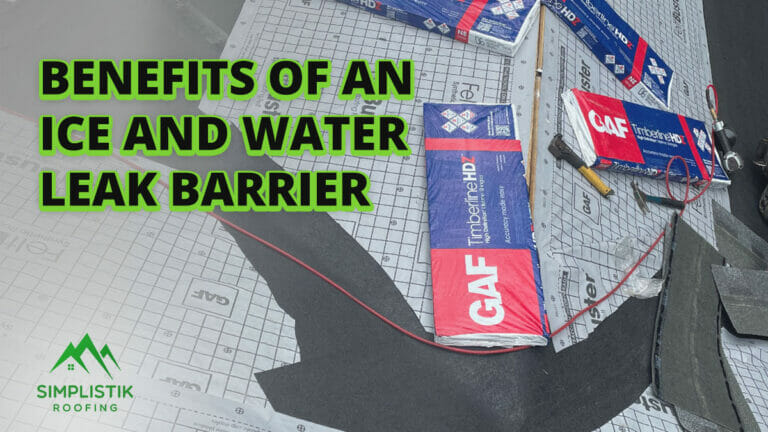
- Make sure an ice and water barrier is installed at the eaves and in valleys when you replace your roof. Read more in our guide to the benefits of an ice and water leak barrier.
Don’t chip ice off the roof. Hammers, shovels and ice picks damage shingles and flashing. If an ice dam is already causing a leak, call a professional.
Deal with moss and algae
The dark streaks you see on many roofs are usually algae. They’re mostly a cosmetic problem, but moss is different: it holds moisture against the shingles and can lift their edges over time.
- Use a cleaner made for asphalt shingles, or a diluted bleach-and-water solution, applied gently and rinsed off with low-pressure water. Protect plants below and follow the shingle manufacturer’s guidance.
- Never scrub or pressure wash shingles.
- Zinc or copper strips installed near the ridge help discourage regrowth, and many newer shingles include algae-resistant granules.
- Trimming back trees to let in more sun is one of the best long-term fixes.
Check attic ventilation and insulation
A roof is only as healthy as the attic underneath it. Good ventilation lets heat and moisture escape, which keeps the roof deck dry, reduces ice dams in winter and helps shingles last longer in summer heat.
- Make sure soffit vents aren’t blocked by insulation, paint or debris.
- Check that bathroom and kitchen exhaust fans vent outside, not into the attic.
- Watch for frost on the underside of the roof deck in winter, or condensation and a musty smell in summer. Both point to ventilation problems.
- Ridge vents combined with soffit intake vents give most homes balanced, continuous airflow. A roofer can tell you whether your attic has enough.
Your seasonal roof maintenance checklist
| Season | What to do |
|---|---|
| Spring | Look for winter damage: missing or lifted shingles, damaged flashing, loose gutters. Check the attic for signs of leaks. Clean gutters. |
| Summer | Trim back trees. Check for moss and algae. Make sure attic vents are open and the attic isn’t excessively hot or humid. |
| Fall | Clean gutters and valleys once the leaves are down. Book any repairs before the first freeze. Check sealant around vents and chimneys. |
| Winter | Rake heavy snow off the lower edge of the roof. Watch for icicles and ice dams at the eaves. Check ceilings and the attic after thaws. |
| After storms | Walk around the house and look for shingles in the yard, dents in gutters and vents, and new stains inside. Photograph anything you find. |
Fix small issues before they grow
A few missing shingles or a small drip in the attic might not seem urgent, but water damage spreads quietly. Wet decking softens and rots, insulation loses its value once it’s soaked, and mold can take hold within days.
- Replace missing or damaged shingles as soon as you notice them.
- Have loose or damaged flashing resealed or replaced.
- Call a roofer at the first sign of a leak, even if it stops when the rain does.
What to leave to a professional
Roof work is dangerous, and falls are a leading cause of serious injuries during home projects. Ground-level checks, gutter cleaning from a ladder and roof raking are reasonable DIY tasks for many homeowners. Leave these to a professional:
- Walking on the roof, especially on steep pitches or when it’s wet, icy or hot.
- Replacing shingles or flashing, and anything involving the chimney.
- Diagnosing leaks, which often show up far from where water is actually getting in.
- Deciding whether an older roof should be repaired or replaced. Our guide on when to replace a roof covers the signs to watch for.
How long should your roof last?
With good care, an architectural asphalt shingle roof typically lasts 20 to 30 years. Metal, slate and tile can last much longer. Your roof’s real-world lifespan depends on the quality of the installation, how well the attic is ventilated, how much shade and debris it gets, and how quickly small problems are fixed. Maintenance won’t make a 25-year-old roof new again, but it is the best way to make sure your roof gets every year it was designed for.
Frequently asked questions
How often should a roof be professionally inspected?
Once a year is a good rule of thumb, and after any storm with high winds or hail. If your roof is more than 15 years old, an annual professional inspection is especially worthwhile.
Is it safe to pressure wash my roof?
No. Pressure washing strips the protective granules from asphalt shingles and can force water underneath them. Use a cleaner made for roofs and rinse with low-pressure water instead.
Should I remove snow from my roof?
Raking the lower few feet of the roof from the ground after heavy snowfalls helps prevent ice dams. Don’t climb onto a snowy roof or chip at ice, which can damage shingles and is very dangerous.
What does a roof inspection cost?
Simplistik Roofing offers free roof inspections and estimates throughout the Lehigh Valley, the Poconos and nearby areas of New Jersey.
The bottom line
A few hours a year spent looking over your roof, cleaning gutters and fixing small problems promptly can add years to its life and save you from expensive water damage. When you’re not sure what you’re looking at, or a repair needs someone on the roof, bring in a professional. Simplistik Roofing provides residential and commercial roofing and storm damage repair across eastern Pennsylvania and western New Jersey, and we’re happy to take a look.
Free inspection & estimate
Get a straight answer about your roof
Tell us a little about your home and a Simplistik Roofing specialist will set up a time to inspect your roof and walk you through your options, at no cost and with no pressure.
- Free inspections & estimates
- Lifetime warranty on all products
- 0% interest financing available
- Customer satisfaction guaranteed